

The Gentle Power of Hypnosis: How Nurses Are Using It to Help Children Thrive
Sep 19, 2025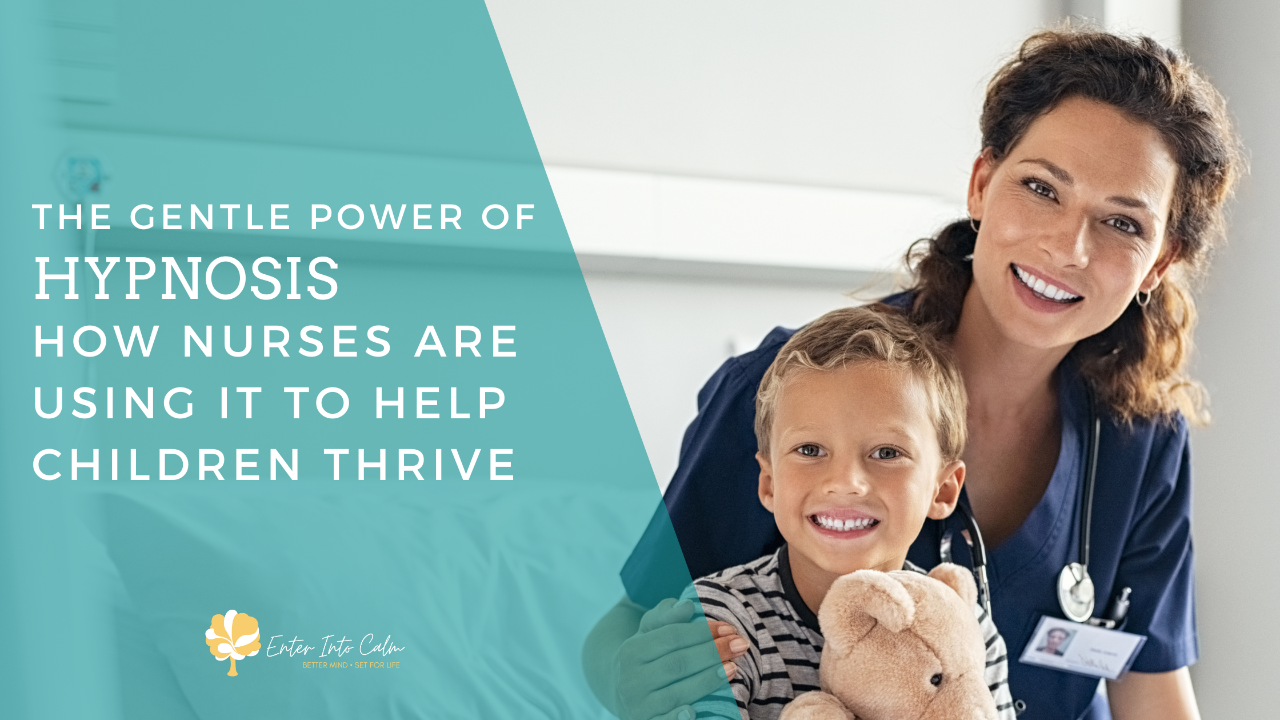
As a nurse, I’ve spent years supporting children and families facing everything from everyday worries to complex medical challenges. One of the most gentle yet profoundly helpful tools I now offer is clinical hypnosis.
Yes—you read that right.
Nurses (not just doctors or therapists) are trained to safely and ethically use hypnosis as part of holistic, child-centered care. I am proud to be part of Calm Collective Care, a team of nurses certified in clinical hypnosis who offer heart-centered services to children and families worldwide.
If you’re a parent struggling with a child who wets the bed, bites their nails, fears needles, has trouble focusing, or can’t fall asleep at night, this effective and natural approach might surprise you.
What Is Hypnosis for Kids?
Hypnosis is not about losing control or doing silly things on stage. It’s a safe, natural state of focused attention where children remain fully aware yet deeply relaxed. In this state, they can use their imagination and inner resources to manage worries, habits, or even physical symptoms (Kohen & Kaiser, 2014).
Children are ideal candidates for hypnosis because of their natural creativity and vivid imagination. When guided by a qualified nurse hypnotist, they can experience profound shifts in comfort, confidence, and control.
Why Nurses?

Nurses are uniquely positioned to offer hypnosis because of their deep clinical expertise and compassionate care approach. The American Nurses Association and American Holistic Nurses Association recognize hypnosis as a valuable complementary healing tool in nursing practice (ANA & AHNA, 2019).
At Calm Collective Care, our nurse hypnotists collaborate closely with parents, pediatricians, and care teams to create individualized, evidence-based plans. We offer services over Zoom globally and, where available, in person. If in-person services aren’t accessible, we gladly refer to qualified practitioners near you.
Real-Life Ways Hypnosis Can Help Children
Here’s how I’ve seen pediatric hypnosis help children—and their parents—breathe easier:
1. Bedwetting
One of the most common concerns parents bring is nighttime accidents. A 2024 study showed children using a simple online hypnosis program experienced significantly fewer wet nights without medication side effects (Bayne, 2024).
In my practice, I worked with Jack (age 6), who imagined having a “super bladder” that sent strong signals to his brain when it was time to wake up. Within weeks, Jack’s confidence blossomed as his bed stayed dry.
2. Breaking Habits (Thumb-Sucking, Nail-Biting)
Unwanted habits often feel impossible to break—until a child discovers they have the power to change. We might create an imaginary “super shield” for fingers or transform the urge to bite into a playful reminder to take a calming breath (Gardner, 1978; Shenefelt, 2000).
It becomes a fun, empowering experience rather than a frustrating battle.
3. Managing Anxiety, Fears, and Worries
Whether it’s test anxiety, fear of storms, or stress about school, hypnosis can help children master calming breathing, positive self-talk, and powerful visualizations.

Sofia, a teen client, learned to “step into her calm zone” before basketball games. After a few sessions she said, “I finally remembered how fun playing is again.”
4. Reducing Medical Anxiety and Fear of Needles
Few things are harder than watching your child panic at a doctor’s visit. Hypnosis helps children transform medical procedures into adventures.
I’ve guided kids to imagine floating on a cloud, becoming superheroes, or hearing scary sounds as silly music. Research confirms hypnosis reduces distress and improves cooperation during medical procedures (Bastek & van Vliet, 2023).
5. Improving Sleep
Children with racing minds at bedtime can struggle for hours. Hypnosis provides soothing imagery like floating down a gentle river or snuggling into a magical dream tent.
Studies show hypnosis can significantly improve sleep in children and teens (Ng & Lee, 2008), giving parents the gift of peaceful nights.
A Partnership with Parents
We firmly believe parents are essential partners in pediatric hypnosis. Children under 18 are invited to explore the benefits of hypnosis only with parental consent and support.
Best practice recommends parents be present for most, if not all, sessions to ensure trust, comfort, and collaboration. We strongly encourage families to choose certified professionals who are trained and experienced in working with children.
Is Pediatric Hypnosis Safe?
When provided by a certified nurse hypnotist, pediatric hypnosis is safe, gentle, and free of side effects. It complements—not replaces—your child’s medical care and helps kids feel empowered and confident in their own bodies and minds (Kohen & Olness, 2011).
How to Access Nurse-Led Hypnosis for Your Child
At Calm Collective Care, our certified nurse hypnotists offer pediatric and family hypnosis over Zoom or in-person where available. If we cannot meet your family’s needs in person, we are happy to refer you to a trusted practitioner in your area.
If you’re curious whether hypnosis could help your child overcome a struggle and build confidence, we invite you to reach out. Together, we can explore a safe and supportive next step.
Moving Forward
Nurses are uniquely positioned to offer hypnosis because of their deep clinical expertise and compassionate care approach.
At Calm Collective Care, we’re committed to making evidence-informed, nervous-system–based approaches accessible in ways that fit real lives. Through secure Zoom sessions, you can engage in clinically grounded hypnotherapy from the comfort of your home—without sacrificing depth, safety, or connection.
Our work is rooted in the same principles explored here: restoring agency, reducing fear, and helping the nervous system learn new patterns of response. Whether you’re navigating chronic pain, stress, anxiety, or a desire for greater clarity and resilience, our collective approach blends hypnotherapy with coaching and mindfulness-based practices to support meaningful, sustainable change.
Ways to Get Started
Guided Group Hypnosis
We offer live, guided group hypnosis sessions designed to support stress reduction, confidence, emotional regulation, and nervous system resilience. These sessions provide a structured, supportive environment for experiential learning—whether you join live or explore our growing audio library.
👉 Learn more Group Session in the Change Your Life Circle
👉 Access the ever-expanding Audio Library
One-on-One Hypnotherapy
For a more personalized approach, working individually with a certified hypnotherapist allows for tailored support aligned with your specific goals, history, and nervous system patterns. You can explore our team of practitioners and schedule a consultation to find the right fit.
Guest Author:
Christy Cowgill CRNA, PMHNP-C, NC-BC, BCH, CI
Christy board-certified hypnotherapist and certified instructor of hypnosis. Her clinical practice integrates her backgrounds in psychiatric mental health and anesthesiology, with a focus on supporting clients experiencing depression, anxiety, and chronic pain. Committed to advancing trauma-informed hypnosis education for nurses, Christy advocates for clinically grounded hypnosis training pathways and is a founding member of Calm Collective Care.
References:
- American Nurses Association (ANA) & American Holistic Nurses Association (AHNA). (2019). Holistic nursing: Scope and standards of practice (3rd ed.).
- Bastek, V., & van Vliet, M. (2023). Exploring medical hypnotherapy for pediatric patients. European Journal of Pediatrics, 182(7), 3021–3032.
- Bayne, A. P. (2024). Online hypnosis improves dry nights in children. Clinical Pediatrics, 63(5), 703–707.
- Gardner, G. G. (1978). Hypnotherapy for childhood habit disorders. The Journal of Pediatrics, 92(5), 838–840.
- Kohen, D. P., & Kaiser, P. (2014). Clinical hypnosis with children and adolescents. Children, 1(2), 74–98.
- Kohen, D. P., & Olness, K. (2011). Hypnosis and hypnotherapy with children (4th ed.). Routledge.
Ng, B. Y., & Lee, T. S. (2008). Hypnotherapy for sleep disorders. Annals of the Academy of Medicine, Singapore, 37(8), 683–688. - Shenefelt, P. D. (2000). Hypnosis in dermatology. Archives of Dermatology, 136(3), 393–399.
Be Calm ...
and experience hypnosis!
Hypnosis can help in many ways. Curious Minds should Stay Curious.
Boost Self-confidence • Lessen Anxiety • Grief• Cancer • Create Positive Mindset • Eliminate Limiting Beliefs • Improve Sleep • Manage Pain Better • Prepare for Childbirth • Enhance Performance • Heal & Resolve Grief • Change Habits • Weight Loss without Dieting • Smoking Cessation • Stress Reduction • Stop Teeth Grinding • & more
Connecting with me 1:1 is fast and easy!
