Why Healing Happens Faster in Safe Community
Jun 01, 2026
The Nervous System Was Never Meant to Carry This Alone
There's a kind of exhaustion that develops quietly in healthcare.
Not just physical fatigue.
Not just emotional strain.
And not simply "stress."
Something deeper.
It can feel like carrying too much for too long while still continuing to function.
You still show up.
Still care for others.
Still hold conversations, responsibilities, expectations, and decisions.
And underneath all of that… many healthcare professionals are carrying an invisible sense of isolation.
Even when surrounded by people all day.
This is one of the reasons burnout and nervous system dysregulation can become so difficult to shift alone.
Because healing is not only individual.
It is relational.
And the nervous system has always healed in safe connection.
If this idea feels familiar, you may also resonate with our earlier blogs on survival mode and quiet burnout:
→ The Subtle Signs Your Nervous System Is Stuck in Survival Mode
→ The Quiet Burnout: When You're Functioning… And Still Not Okay
The Healthcare Culture of "Holding It Together"
Healthcare environments often reward endurance.
Keep going.
Push through.
Handle it.
Stay professional.
Over time, many clinicians become extraordinarily skilled at functioning while emotionally depleted.
Research continues to show that chronic occupational stress among healthcare professionals contributes to emotional exhaustion, depersonalization, reduced emotional capacity, and nervous system dysregulation (Harvey et al., 2021; Sexton et al., 2022).
And one of the more subtle consequences?
Disconnection.
Not only from others…
but from yourself.
The body learns:
- stay alert
- stay useful
- stay composed
- do not burden anyone
Eventually, even receiving support can feel unfamiliar.
Why Safe Connection Changes the Nervous System
The nervous system does not regulate through insight alone.
It regulates through experience.
Through:
- safety
- rhythm
- connection
- presence
- co-regulation
Neuroscience research suggests human beings are biologically shaped by relational experience. Empathy, emotional attunement, and safety cues influence nervous system states and emotional regulation (Levine et al., 2021).
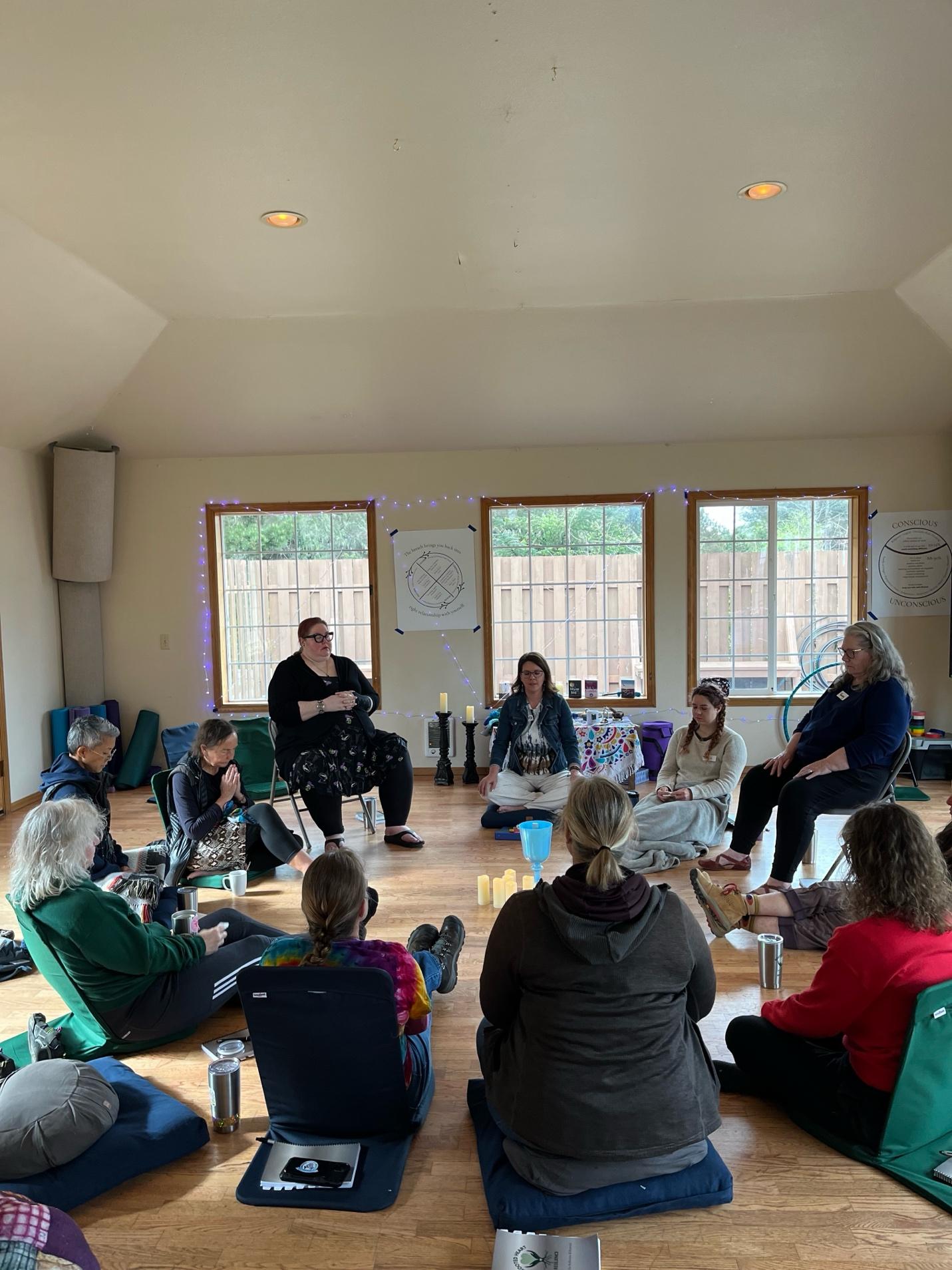
Sitting in circle creates attunement.
In simple terms:
your body responds differently when it no longer feels alone.
This is one of the reasons collective healing experiences can feel surprisingly powerful.
Not because someone "fixes" you.
And because your system finally experiences:
"I do not have to hold everything by myself."
Inside Rooted HEART, participants often describe how quickly defenses soften once they feel emotionally safe enough to exhale.
One participant shared:
"How quickly the participants dropped defenses and became friends."
Another reflected:
"Group support is powerful."
And another described:
"The safety within the retreat space allowed for a level of conversation, accountability, and shared intention that created an environment where growth felt supported and achievable."
Healing Is Different When You Don't Have to Perform
Many healthcare professionals spend much of their lives being the one who:
- stabilizes
- reassures
- helps
- explains
- carries
What often goes missing is space to simply be human.
Not productive.
Not composed.
Not "fine."
Just human.
At Rooted HEART, healing is not approached as performance.
There is no pressure to "do it right."
Instead, participants are gently guided through experiences designed to help the nervous system begin shifting states safely and gradually:
- breathwork
- movement
- guided reflection
- somatic exploration
- tea meditation
- sound experiences
- forgiveness work
- nature immersion
- restorative stillness
- shared circles
And something important begins to happen.
People remember themselves again.
One participant shared:
"Before Rooted HEART I was carrying my heavy story. After Rooted HEART, I feel light and calm. My story is the same, but emotional charge, the heaviness is gone."
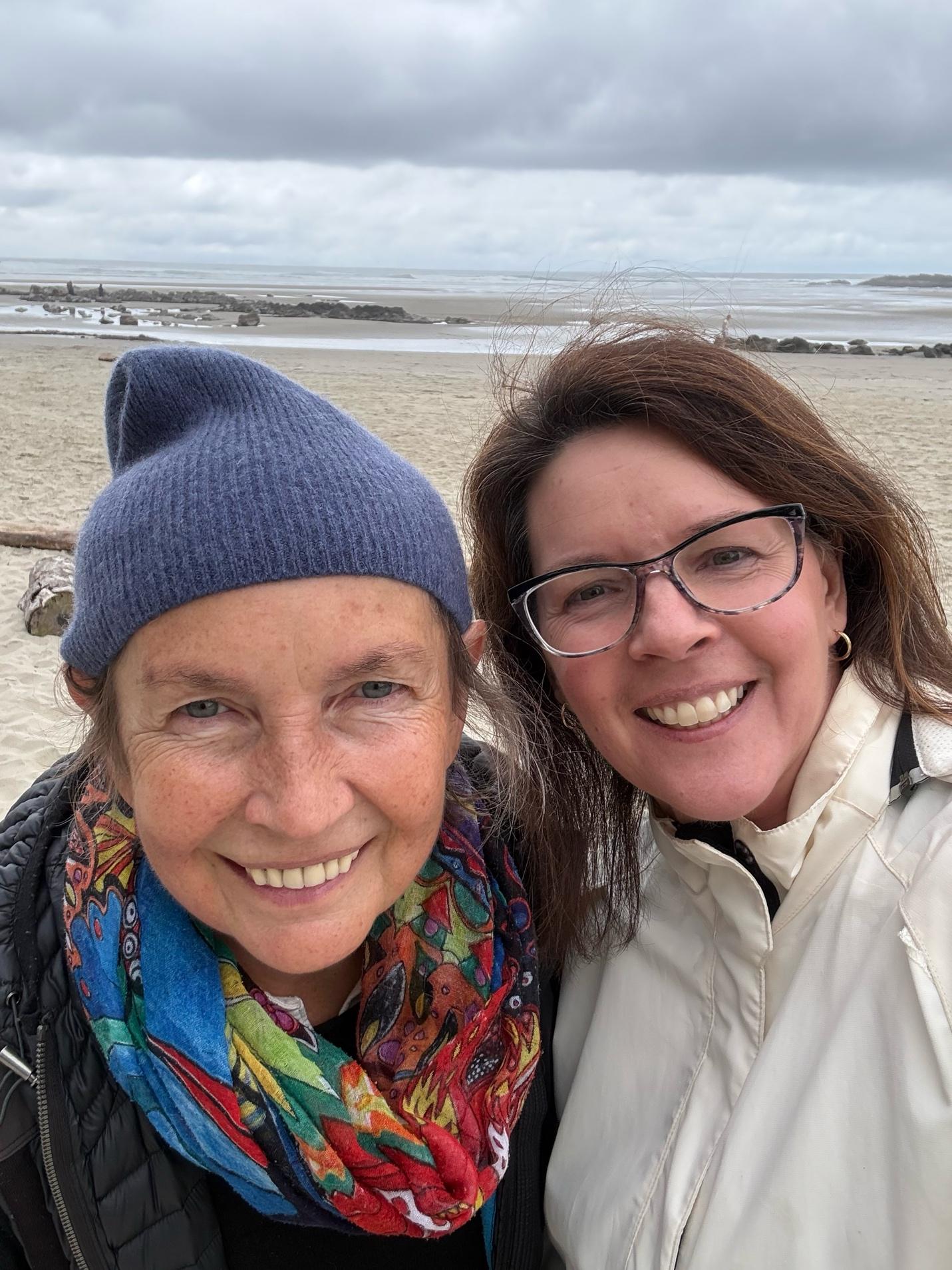
April 2026 Retreat at Oregon Coast
Another described:
"I was worried that the depth of my current state would be a negative disruption to the group… I was met with assurance that whatever yuk I was bringing would be met with care and that the 'container' could handle it. It was true."
That experience matters deeply.
Because many healthcare professionals have never experienced being fully supported while emotionally honest.
The Nervous System Learns Through Felt Safety
One of the misconceptions about healing is that it happens through information alone.
And information matters.
But healing often occurs through what the body experiences repeatedly.
Safe eye contact.
Laughter.
Movement.
Rest.
Breathing together.
Being witnessed without judgment.
Feeling nourished.
Feeling included.
Feeling understood.
These experiences help the nervous system recognize:
"I am safe enough to soften."
And for many people, that moment becomes the beginning of change.
Not dramatic.
Not forced.
Just different.
One participant reflected:
"Being part of this experience isn't optional. It is necessary for a sense of self and an opportunity to see nursing as caring, both for self and others, in a different and peaceful way."
Collective Healing Is Not Weakness
There is sometimes a misconception that needing community means someone is not resilient enough on their own.
The opposite may be true.
Human beings are relational by design.
Research increasingly supports that social connection, emotional support, and co-regulation improve resilience, emotional well-being, and stress recovery (Levine et al., 2021).
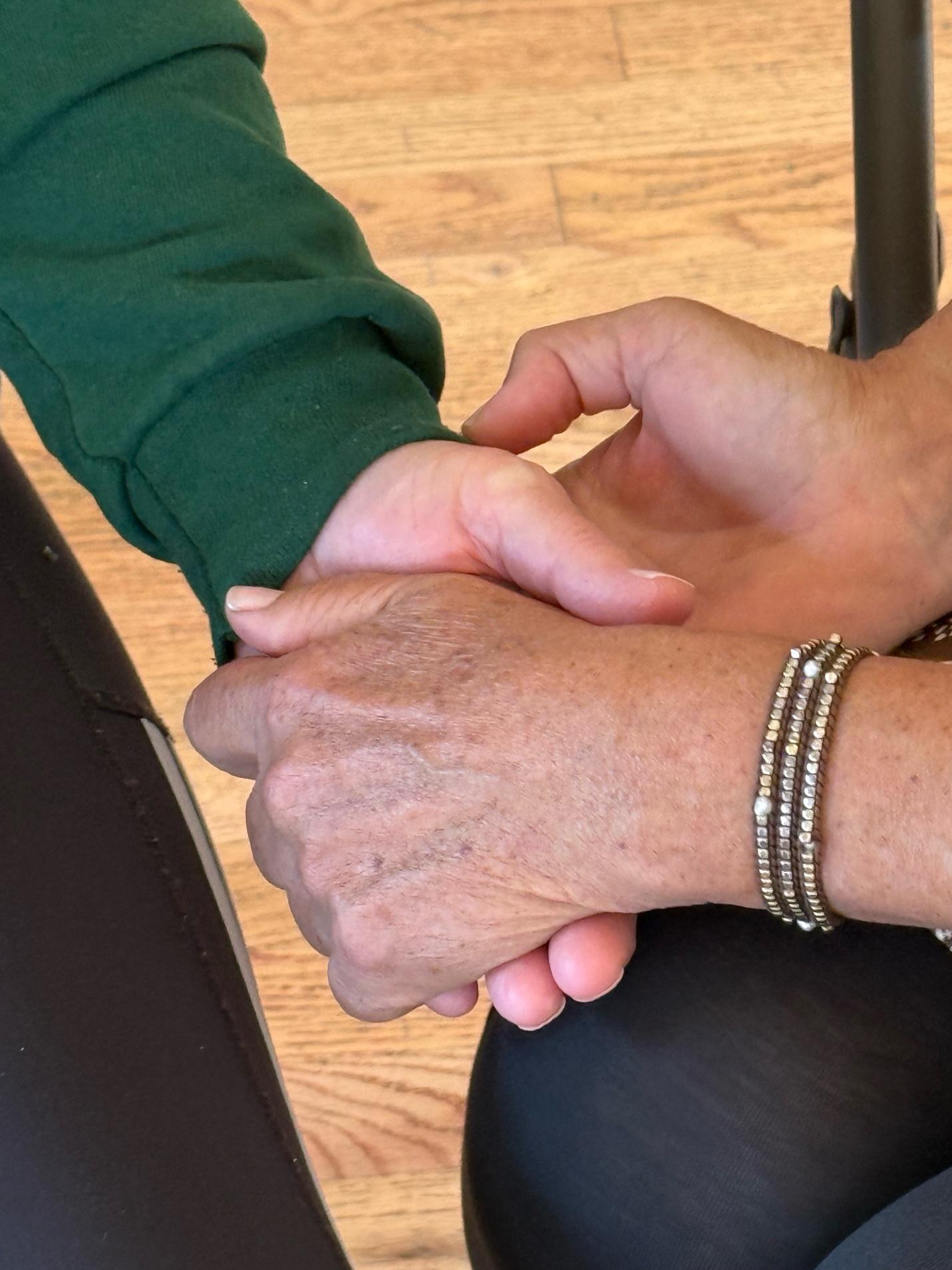
One of the experiential exercises of the retreat allows the nurse to receive the care they always give to other.
The nervous system was never meant to sustain chronic activation in isolation.
And perhaps this is part of what so many healthcare professionals are quietly longing for:
A place where they do not have to explain why they are tired.
A place where someone else understands.
A place where they can put the weight down for a while.
Moving Forward
Healing does not always happen through pushing harder.
Sometimes it begins by stepping into an environment where your body finally feels safe enough to soften.
That is part of the intention behind the Rooted HEART Resilience Intensive.
Not simply education.
And not simply self-care.
But a carefully guided collective healing experience designed for healthcare professionals who have spent years carrying more than most people realize.
A place to:
- reconnect with your body
- restore nervous system balance
- experience supportive community
- rediscover joy, clarity, and meaning
Gently.
At your pace.
Because when the nervous system begins to feel safe again…
healing often happens faster than we expect.
If you’re curious what that could look like explore: → https://www.enterintocalm.com/rootedheart
You don’t have to decide anything right now.
You can simply notice what resonates…
And take the next step when it feels right.
It’s always up to you.
Author: Christy Cowgill
Christy is dedicated to helping clients overcome anxiety, depression, and phobias by using evidence-based hypnosis and NLP techniques. With a focus on addressing the root causes of mental health challenges, she provides tailored strategies that promote emotional resilience and lasting well-being. Drawing on her extensive background in anesthesiology and psychiatric mental health, Christy creates a safe, supportive environment where clients can achieve mental clarity, boost their confidence, and break free from limiting fears.
References:
- Harvey, S. B., Epstein, R. M., Glozier, N., et al. (2021). Mental illness and suicide among physicians. The Lancet, 398(10303), 920–930. https://doi.org/10.1016/S0140-6736(21)01596-8
- Levine, G. N., Cohen, B. E., Commodore-Mensah, Y., et al. (2021). Psychological health, well-being, and the mind-heart-body connection: A scientific statement from the American Heart Association. Circulation, 143(10), e763–e783. https://doi.org/10.1161/CIR.0000000000000947
- Sexton, J. B., Adair, K. C., Proulx, J., et al. (2022). Emotional exhaustion among US health care workers before and during the COVID-19 pandemic, 2019–2021.
- JAMA Network Open, 5(9), e2232748. https://doi.org/10.1001/jamanetworkopen.2022.32748
Be Calm ...
and experience hypnosis!
Hypnosis can help in many ways. Curious Minds should Stay Curious.
Boost Self-confidence • Lessen Anxiety • Grief• Cancer • Create Positive Mindset • Eliminate Limiting Beliefs • Improve Sleep • Manage Pain Better • Prepare for Childbirth • Enhance Performance • Heal & Resolve Grief • Change Habits • Weight Loss without Dieting • Smoking Cessation • Stress Reduction • Stop Teeth Grinding • & more
Connecting with me 1:1 is fast and easy!
