The Healing Power of Hypnosis and Nature: An Evidence-Based Approach to Well-Being
Jun 03, 2025
In today’s world, where stress, anxiety, and mental health challenges are on the rise, many people are turning to alternative therapies for support. Two powerful tools that have gained significant attention for their healing potential are hypnosis and connecting with nature. Individually, each can bring transformative benefits to the mind and body. But what happens when we combine them? Emerging research and evidence suggest that pairing hypnosis with time spent in nature can enhance relaxation, improve emotional well-being, and foster deeper healing. In this blog post, we’ll explore the evidence behind this holistic approach and how it can support your mental and emotional well-being.
1. The Power of Hypnosis in Healing
Hypnosis, a state of deep relaxation and heightened focus, is widely recognized as an effective therapeutic tool for addressing a range of psychological and physical concerns. According to the American Psychological Association, hypnosis is a scientifically validated method for pain management, stress reduction, and behavior modification (APA, 2019). The process of hypnosis allows individuals to access the subconscious mind, where deeply ingrained patterns, memories, and emotions reside. By addressing these underlying factors, hypnosis helps individuals reframe limiting beliefs, reduce stress, and shift emotional responses.
Research has shown that hypnosis can be particularly effective in managing symptoms of anxiety, depression, and PTSD. A study published in the Journal of Clinical Psychology found that hypnosis significantly reduced anxiety levels and helped individuals improve their emotional regulation (Montgomery et al., 2010). Another study, conducted by The National Center for Complementary and Integrative Health, found that hypnosis can help reduce the perception of pain and improve emotional well-being in individuals with chronic conditions (NCCIH, 2020).
By combining hypnosis with nature, you may experience enhanced relaxation and greater access to the subconscious mind, helping you to overcome negative thought patterns, reduce stress, and promote healing.
2. The Healing Effects of Nature
Spending time in nature has long been associated with physical and mental health benefits. Evidence-based research continues to show that nature exposure reduces stress, improves mood, and increases cognitive functioning. According to a study published in the journal Psychological Science, even brief exposure to natural environments can significantly reduce stress and enhance emotional well-being. The study found that participants who walked through nature for 90 minutes experienced reduced levels of anxiety and rumination compared to those who walked in urban environments (Bratman et al., 2015).
Similarly, a review published in Frontiers in Psychology highlights how nature-based interventions have been shown to improve mood, reduce stress, and promote overall mental health. The natural environment’s calming influence appears to activate the parasympathetic nervous system, which helps to lower heart rate, blood pressure, and cortisol levels, all of which are indicators of reduced stress (Barton & Pretty, 2010). This connection to nature fosters a sense of relaxation, mindfulness, and emotional balance, making it an ideal complement to hypnosis.
3. Combining Hypnosis with Nature: The Science Behind the Integration
When we combine the calming effects of nature with the transformative power of hypnosis, we create a potent synergy that can accelerate healing and improve overall well-being. Research has shown that time spent in nature can make individuals more receptive to therapeutic interventions, including hypnosis. A study by Kaplan and Kaplan (1989) on the restorative effects of nature environments found that exposure to natural settings enhances focus and attention, creating an ideal mental state for engaging in therapeutic practices like hypnosis.
Moreover, a study published in The Journal of Environmental Psychology concluded that integrating nature into therapeutic settings (such as outdoor counseling or hypnosis) can lead to more profound emotional and psychological healing. The combination of nature’s peaceful energy and the focused relaxation achieved through hypnosis fosters a deep sense of connection to oneself and the environment, making it easier for individuals to access the subconscious mind and make positive changes (Ulrich et al., 1991).
The evidence suggests that time spent in natural environments helps people reach a more relaxed, open state of mind, making them more receptive to the suggestions offered during hypnosis. In turn, hypnosis helps to enhance the benefits of nature, allowing for deeper emotional healing and mental clarity.
How to Integrate Hypnosis and Nature in Your Healing Journey

1. Outdoor Hypnosis Sessions
Consider scheduling hypnosis sessions in nature, whether it’s in a forest, park, or garden. This environment offers a serene, distraction-free space that promotes relaxation and makes it easier to access your subconscious mind. The presence of natural elements like trees, water, and open skies can deepen the relaxation response and enhance the therapeutic experience.
2. Self-Hypnosis in Nature
If you prefer practicing self-hypnosis, take your sessions outdoors. Find a quiet spot in nature, sit comfortably, and begin by focusing on your breath. Allow the sounds of nature, such as birds chirping or leaves rustling, to guide you into a relaxed state. Use the peaceful environment to visualize healing, stress relief, or any positive changes you want to manifest.
3. Mindfulness Walks
Mindful walks through nature are a simple but effective way to combine nature and hypnosis-like benefits. As you walk, practice deep breathing and focus on the sensations of each step. Let the natural world around you soothe your mind and body, helping you enter a state of mindfulness and relaxation. This approach can be especially effective in relieving stress and enhancing emotional clarity.
4. Nature Visualization
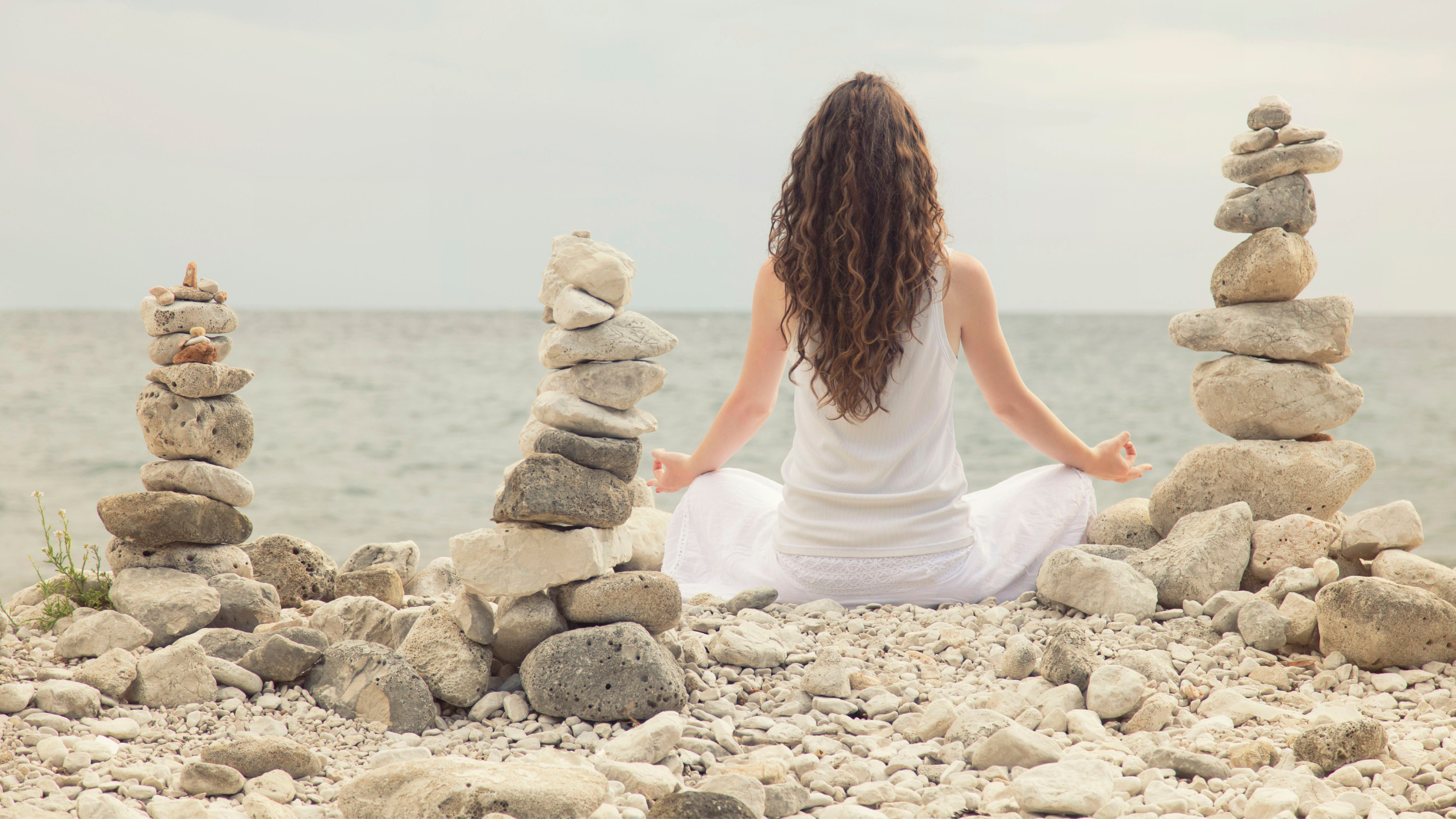
Incorporating nature-based imagery into your hypnosis practice can be highly beneficial. Whether you’re working with a hypnotherapist or practicing self-hypnosis, imagine yourself in a peaceful natural environment, such as a tranquil beach, mountain, or forest. Use this imagery to promote relaxation, emotional healing, or stress reduction.
Conclusion: A Holistic Approach to Healing
The combination of hypnosis and nature offers a powerful, evidence-based approach to healing and well-being. Hypnosis provides access to the subconscious mind, where profound change can occur, while nature helps to reduce stress, improve mood, and promote emotional balance. When practiced together, these two modalities can enhance relaxation, foster emotional healing, and improve overall mental and physical health.
With mounting evidence supporting the benefits of both hypnosis and nature, incorporating these tools into your wellness routine can provide a holistic path to transformation. Whether you’re seeking relief from stress, anxiety, or emotional challenges, the healing power of nature and hypnosis can guide you toward a more balanced, peaceful, and empowered life.
Moving Forward
When we combine the calming effects of nature with the transformative power of hypnosis, we create a potent synergy that can accelerate healing and improve overall well-being.
At Calm Collective Care, we’re committed to making evidence-informed, nervous-system–based approaches accessible in ways that fit real lives. Through secure Zoom sessions, you can engage in clinically grounded hypnotherapy from the comfort of your home—without sacrificing depth, safety, or connection.
Our work is rooted in the same principles explored here: restoring agency, reducing fear, and helping the nervous system learn new patterns of response. Whether you’re navigating chronic pain, stress, anxiety, or a desire for greater clarity and resilience, our collective approach blends hypnotherapy with coaching and mindfulness-based practices to support meaningful, sustainable change.
Ways to Get Started
Guided Group Hypnosis
We offer live, guided group hypnosis sessions designed to support stress reduction, confidence, emotional regulation, and nervous system resilience. These sessions provide a structured, supportive environment for experiential learning—whether you join live or explore our growing audio library.
👉 Learn more Group Session in the Change Your Life Circle
👉 Access the ever-expanding Audio Library
One-on-One Hypnotherapy
For a more personalized approach, working individually with a certified hypnotherapist allows for tailored support aligned with your specific goals, history, and nervous system patterns. You can explore our team of practitioners and schedule a consultation to find the right fit.
Guest Author:
Hannah Henjum
Consulting Hypnotist, NLP & Time-Line Therapy® Practitioner
Specialties: Stress | Confidence
Hannah specializes in helping clients overcome stress and build confidence and joy in their daily lives. She uses hypnosis and NLP techniques to help individuals resolve the underlying mental and emotional blocks that affect their well-being and self-esteem. Her approach is centered on creating a balanced, fulfilling life for her clients, helping them develop strategies for long-term mental clarity and resilience. Hannah empowers clients to bring curiosity, joyfulness, and ease back to their lives.
References:
- American Psychological Association (APA). (2019). Hypnosis: An Overview. https://www.apa.org
- Bratman, G. N., et al. (2015). Nature Experience Reduces Rumination and Subgenual Prefrontal Cortex Activation. Psychological Science, 26(6), 685-693. https://doi.org/10.1177/0956797614553943
- Barton, J., & Pretty, J. (2010). What is the Best Dose of Nature and Green Exercise for Improving Mental Health? Frontiers in Psychology, 1, 1-10. https://doi.org/10.3389/fpsyg.2010.00002
- Montgomery, G. H., et al. (2010). The Efficacy of Hypnosis for the Management of Anxiety: A Meta-Analysis of Controlled Trials. Journal of Clinical Psychology, 66(6), 533-543. https://doi.org/10.1002/jclp.20648
- National Center for Complementary and Integrative Health (NCCIH). (2020). Hypnosis for Health Conditions. https://nccih.nih.gov
- Kaplan, R., & Kaplan, S. (1989). The Experience of Nature: A Psychological Perspective. Cambridge University Press.
- Ulrich, R. S., et al. (1991). Stress Recovery During Exposure to Natural and Urban Environments. Journal of Environmental Psychology, 11(3), 201-230. https://doi.org/10.1016/S0272-4944(05)80184-7
Be Calm ...
and experience hypnosis!
Hypnosis can help in many ways. Curious Minds should Stay Curious.
Boost Self-confidence • Lessen Anxiety • Grief• Cancer • Create Positive Mindset • Eliminate Limiting Beliefs • Improve Sleep • Manage Pain Better • Prepare for Childbirth • Enhance Performance • Heal & Resolve Grief • Change Habits • Weight Loss without Dieting • Smoking Cessation • Stress Reduction • Stop Teeth Grinding • & more
Connecting with me 1:1 is fast and easy!
